
Facts to Know About Dentists
This article explores important facts about dentists, from their education and responsibilities to the technology they use and the challenges they encounter. Understanding the profession can make dental care feel less unfamiliar while highlighting how dentists support oral health and overall well-being. Through clinical expertise, patient education, preventive care, and evolving technology, dentists provide essential services that help people maintain healthy smiles throughout their lives.
Explore How Dentists Build Their Expertise
Becoming a dentist requires a strong academic foundation and extensive professional preparation. Students interested in dentistry typically complete prerequisite coursework in subjects such as biology, chemistry, physics, and mathematics before entering dental school. This background helps future dentists understand the scientific principles behind oral health and prepares them for advanced clinical study.
Dental school combines classroom learning with practical experience. Students study subjects such as anatomy, physiology, oral pathology, and patient care while developing hands-on clinical skills under professional supervision. This combination helps dentists enter practice prepared to evaluate patients, identify oral health concerns, and provide appropriate treatment.
Some dentists continue their education by pursuing specialties such as orthodontics, periodontics, or oral surgery. Specialized training allows professionals to develop deeper expertise in particular areas of oral healthcare. Regardless of their chosen path, dentists must meet applicable licensing requirements and continue learning as techniques, materials, and technologies evolve.
Continuing education is an important part of professional development. New approaches to diagnosis, treatment, infection control, and patient communication continue to shape modern dentistry. By keeping their knowledge current, dentists can provide care that reflects developments within the profession.
Understand What Dentists Do for Patients
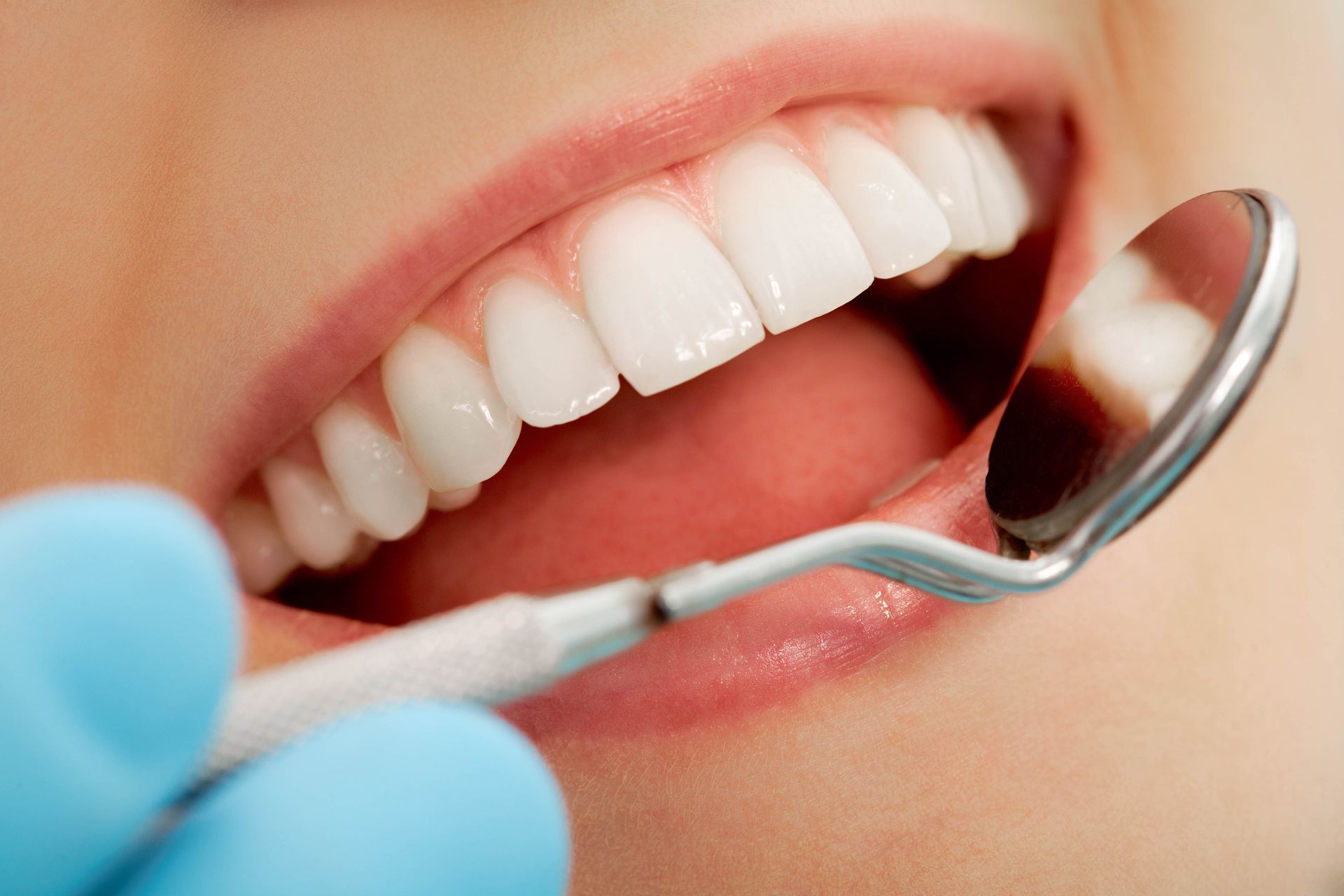
Preventive care is a central part of dental practice. Dentists examine the mouth for signs of cavities, gum disease, enamel concerns, and other conditions while helping patients understand effective brushing, flossing, and hygiene habits. Regular professional care can identify potential problems early and support better long-term oral health.
Diagnosis is another important responsibility. Dentists may use examinations, X-rays, digital imaging, and other diagnostic tools to identify problems that are difficult to detect through a visual assessment alone. After evaluating a patient's needs, they can develop a treatment plan designed around individual circumstances and goals.
Communication also plays a major role in quality dental care. Dentists explain treatment options, discuss potential concerns, answer questions, and help patients make informed decisions. Clear communication can build trust and make dental visits more comfortable, particularly for people who feel anxious about treatment.
Dentists may also perform procedures ranging from routine treatments to more complex interventions. Depending on their training and scope of practice, these can include restorations, extractions, root canal treatment, implants, and other procedures. Dental emergencies may require prompt evaluation to address pain, damage, or other urgent concerns.
Discover the Technology Dentists Use
Modern dentistry relies on technology to improve diagnosis, treatment, efficiency, and patient comfort. Digital X-rays and scanning systems can provide detailed views of teeth and surrounding structures, helping dentists identify concerns and plan appropriate treatment. Intraoral cameras can also give patients a clearer view of what their dental professional sees during an examination.
Advances in treatment technology have expanded the options available to patients. Laser systems can support certain procedures, while digital workflows can assist with restorations and treatment planning. Clear aligners provide an alternative approach to traditional orthodontic treatment for appropriate patients, and modern restorative materials can closely resemble natural tooth structure.
Technology can also improve comfort. Sedation options may help suitable patients manage dental anxiety, while ergonomically designed equipment and other comfort-focused features can make appointments more pleasant. These developments can help dentists create a more welcoming experience and encourage patients to remain consistent with preventive care.
Emerging tools such as artificial intelligence and digital manufacturing may further influence dental practice. These technologies can assist with diagnostic analysis, planning, and the creation of customized dental appliances. As innovation continues, dentists will have additional tools for delivering precise and patient-centered care.
Recognize Why Oral Health Matters
Oral health is closely connected with general well-being. The condition of the mouth can affect everyday activities such as eating, speaking, and sleeping, while oral infections and inflammation can have broader health implications. Maintaining good oral hygiene and receiving professional dental care are therefore important parts of a comprehensive approach to health.
Preventing oral disease begins with daily habits. Brushing with fluoride toothpaste, cleaning between teeth, maintaining a balanced diet, and following professional recommendations can reduce the likelihood of common dental problems. Dentists can help patients identify personal risk factors and develop practical strategies for protecting their teeth and gums.
Diet can also influence oral health. Frequently consuming sugary foods and drinks can contribute to tooth decay, while nutrient-rich foods and adequate hydration can support healthy teeth and gums. Dentists may provide guidance on dietary habits that complement an individual's oral hygiene routine.
Access to dental care remains an important consideration as well. Differences in income, location, education, and access to healthcare can affect whether people receive preventive and restorative services. Dentists, healthcare organizations, and communities all have opportunities to help make oral healthcare more accessible and inclusive.
Consider the Challenges and Future of Dentistry
Dental professionals face a variety of challenges in everyday practice. Dental anxiety can make treatment difficult for some patients, requiring dentists to use patience, reassurance, clear explanations, and appropriate comfort measures. Building trust can help patients feel more confident about receiving necessary care.
Complex cases can require careful diagnosis, detailed planning, advanced technology, and collaboration with other healthcare professionals. Dentists must also manage regulatory requirements, infection-control standards, patient privacy, and the operational demands of running a practice. Balancing these responsibilities with attentive patient care requires organization and adaptability.
The profession itself continues to change. Cosmetic services, digital dentistry, preventive approaches, and remote consultations are influencing how dental care is delivered. Tele-dentistry can help support communication, preliminary assessments, and follow-up services when appropriate, although many conditions still require an in-person examination.
According to the American Dental Association, the United States has more than 200,000 dentists, reflecting steady growth in the profession since 2001. This broad professional presence highlights the continuing demand for oral healthcare and the importance of accessible dental services.
Patient expectations are changing alongside professional advancements. Many people now look for care that combines clinical expertise with convenience, comfort, transparency, and personalized attention. Dentists can respond by creating welcoming environments, explaining procedures clearly, and incorporating suitable innovations into their practices. These patient-centered approaches can strengthen relationships and encourage individuals to make oral health a consistent part of their broader wellness routine. Trust, accessibility, and compassionate communication can also help create lasting relationships between patients and their dental care teams.
The future of dentistry offers opportunities for more personalized, efficient, and comfortable care. For dentists, ongoing education and technological development will remain important as expectations and treatment options evolve.
Understanding the work of dentists can make it easier to appreciate the expertise, technology, and dedication involved in modern oral healthcare. From prevention and diagnosis to treatment and patient education, dentists play an essential role in helping people protect their oral health. As the profession continues to evolve, patients can benefit from advances that support more personalized and comfortable care.
Ready to take better care of your smile? Contact Bull Falls Dental today to schedule your appointment and take the next step toward healthier oral care.








Share On: